by Eugenia Herodotou, Co-Founder & CEO, EnergyIntel
It’s five o’clock on a December evening in Cyprus. The sun has already set, and rooftop solar will not generate again for nearly fourteen hours. A customer opens a banking app and expects an instant response. If the bank hosts that service in a local data centre, where does the next kilowatt-hour come from? In August, the question arrives at nine, under the full weight of air conditioning. In December, it arrives earlier and stays longer.
For a TechIsland member choosing where to host a service, that question belongs in the same conversation as latency, security and price. A data centre operator is making a promise on your behalf, and your customer expects it to hold after dark, in every season, as surely as it does at noon.
What an annual total can hide
Imagine a facility drawing a steady one megawatt. Over 24 hours it needs 24 megawatt-hours. Even if a solar project produces that much electricity during the day, the operator still has to cover every hour after sunset. On an island grid without an electricity link to neighbouring countries, how operators cover those hours matters to everyone sharing the grid.
Annual figures flatter solar, averaging June’s long days against December’s short ones. A run of overcast days compounds the problem: storage drawn down overnight may not recover before the next evening.
Cooling belongs in that calculation too. Every rack of servers gives off heat, and removing it takes energy. In summer, an efficient cooling design reduces the electricity a project must secure for a hot evening. In winter, a well-conceived facility lets cooler outside air carry much of that load. Both are settled long before the first server arrives.
Put the evening shift in the brief
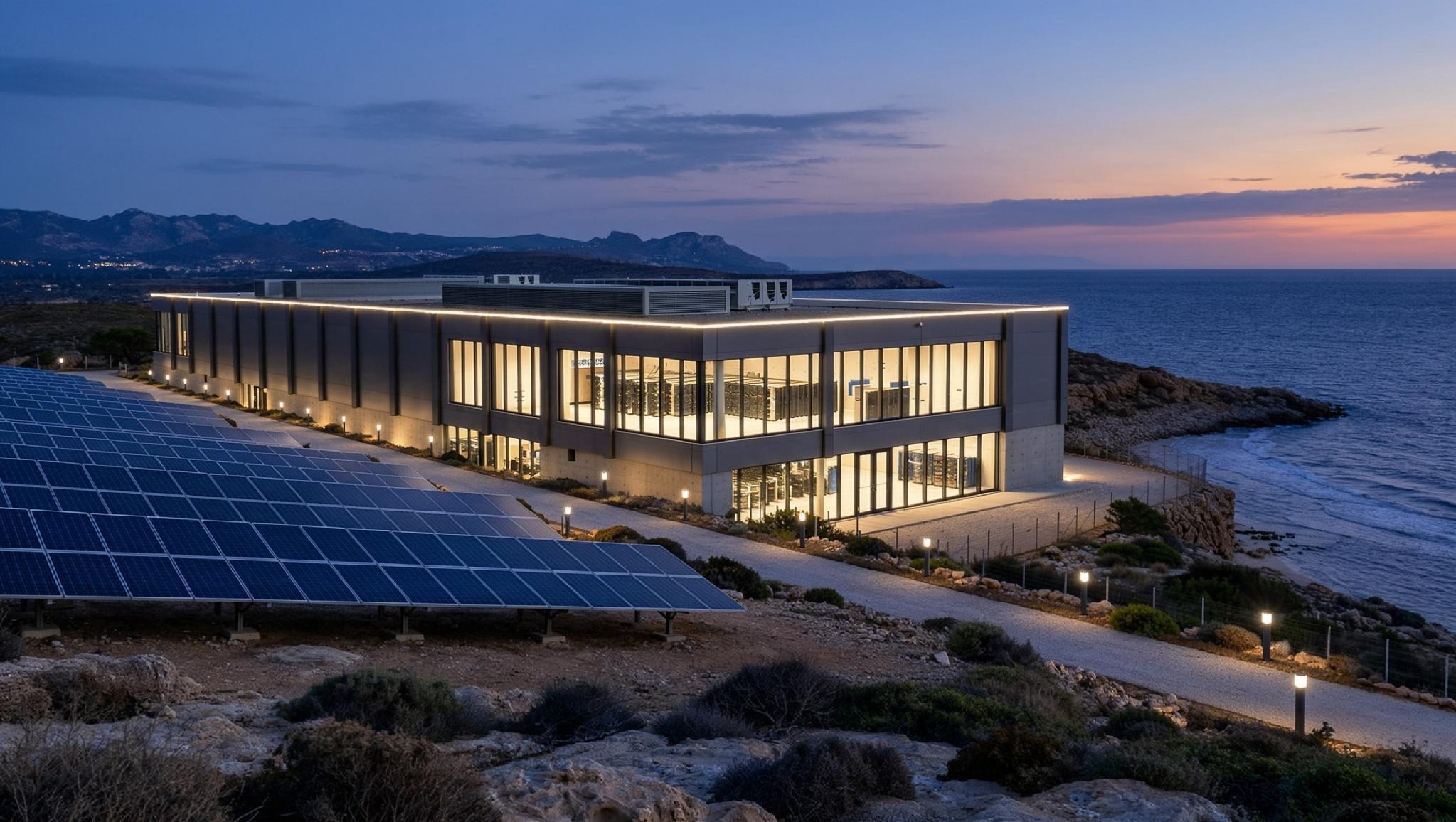
When a project comes before you, ask the operator to take you through two days, hour by hour: the hottest day of August and a short, overcast day in December. When does the site lean hardest on the grid? How long can storage carry the critical load? If the grid fails late in the evening, with storage already partly spent, what keeps your service online?
At EnergyIntel, our work on long-duration thermal storage starts with a practical distinction. Storing energy as heat and delivering electricity to a server rack are different jobs. If a project proposes thermal storage, ask how much usable electricity the system can deliver after conversion, for how long and at what cost. On a winter evening, duration is often the decisive figure. The same discipline applies to a battery proposal: compare what each can deliver in the hours your facility needs it.
Cyprus has an opportunity to make reliable power part of its pitch to technology investors. As 2027 budgets and hosting plans take shape, TechIsland members can help set that standard with the next tender or site proposal. Ask to see the power plan for five o’clock on a December evening and nine on an August one. Those are the hours when the promise on the page has to hold.